
Learning and Development Are a Continuous Journey
- Published on: February 9, 2026
- Updated on: February 10, 2026
- Reading Time: 3 mins
-
Views
When I reflect on how careers have evolved over the last decade, the idea of being “job-ready” once and remaining ready for anything is no longer a realistic expectation
Career paths are no longer linear or static. The roles are constantly shifting, and new skills are expected far earlier than they used to be.
EdTech companies remain enablers of continuous learning, adaptability, and long-term career resilience. The future of learning isn’t about preparing people for a single role. It’s about preparing them to keep evolving.
Overcoming Skill Gaps with Cross-Functional Learning
Among the most exciting transitions in the world of L&D is the rise of personalized learning journeys. With AI-enabled platforms, organizations can finally curate learning experiences that fit individual requirements, experience levels, and career goals.
Instead of upskilling people in a single field, why don’t we aim to build cross-functional capabilities? The learners will become familiar with diverse skill sets, tech stacks, and related domains, making them more versatile and future-ready. It becomes even more imperative in the rapidly changing EdTech landscape, where demands shift frequently.
The Reemergence of Apprenticeships and Mentorships
This gap is challenging for young professionals to address. The requirements of many of these jobs call for a level of practical know-how that entry-level professionals often lack. The challenge of meeting these demands has become overwhelming, and the requirements are unreasonable.
Structured mentorship courses and certifications for these skills are emerging in the market as a remedy for these gaps. These courses built greater confidence, clarity, and preparedness. Individuals realize that, rather than being unqualified for an opportunity because they lack certain aspects of the job description, they have hope for the future

Creating Safe Learning Zones Enables Meritocracy
True development takes place when learners feel that they are at liberty to ask questions, to make mistakes, and to learn at their own comfort. Safe learning environments enable participation, experimentation, and confidence.
This is where learning and inclusion are intertwined. When learning is accessible, neutral, and unbiased, it feeds into a culture of meritocracy-one in which opportunity is based on capability and effort, not on circumstance.
Where organizations invest in inclusive learning, they don’t just build better skills; they build a stronger, more resilient workforce.
The key features that underlie driving the culture of meritocracy include:
-
Open Dialogue: Openness to the expression of ideas, despite the differences in opinion and challenging thoughts, with no fear, is valued for finding the best solutions.
-
Performance-Driven: High performers are recognized and rewarded for high motivation and high standards.
-
Objective Evaluation – In an Ideal Case: This involves taking away partiality – gender, race, or age – from the decisions and basing them solely on merit.
-
Continuous Improvement: Learning from competent colleagues and self-developing to remain competitive.
A Glimpse Towards the Future of Learning
Learning is the act of showing up differently today. In the world of EdTech and the enterprise, it’s not just something lots of companies do anymore, but the source of where the movers and shakers are, and the rest are standing still. The people doing it well are not aspiring towards something perfect. They’re enabling skills development as it happens.
The future of learning has nothing to do with the latest trends or the pace of change. It’s about curiosity. It’s about being flexible when things shift. And it’s about building learning systems that can grow and adapt alongside the people using them.
When you get there, learning stops feeling like a program someone rolled out. It becomes part of how work actually happens, how people grow, how teams get better, and how organizations stay ready for whatever comes next. Tune in for the full conversation here.
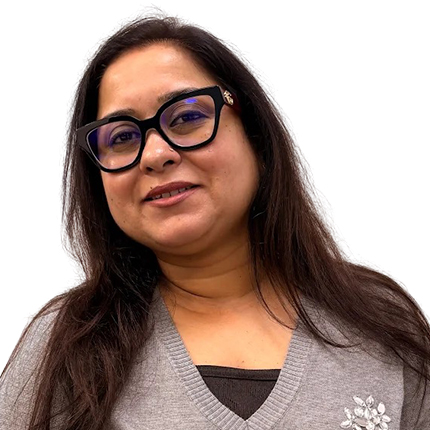
Bhavna is a future-focused Learning & Development leader with 15+ years of experience building scalable capability and leadership programs. As Associate Director of HR (L&D), she leads learning initiatives and brings expertise in facilitation, succession planning, communication training, and measurable skill development.
FAQs
Roles and skill expectations shift faster now, so readiness has to be continuous.
It builds versatility by expanding exposure to adjacent domains and multiple skill sets.
They help bridge the gap between academic learning and real-world role expectations.
Start small and intentional. Tie cross‑functional experiences to clear outcomes (for example, “understand how sales uses our product” or “learn basic data skills”), limit the scope and time commitment, and rotate people through short, well‑framed projects or collaborations. Make sure managers align priorities so learning doesn’t feel like “extra” work.
Get In Touch
Reach out to our team with your question and our representatives will get back to you within 24 working hours.